If you are looking at small multifamily investing in Fairfield County towns, one question matters right away: are you buying one market, or several very different ones? The answer is several. From commuter-heavy city centers to higher-rent suburban towns, Fairfield County’s 2- to 4-unit market can offer opportunity, but only if you understand how local zoning, renter demand, and underwriting change from town to town. Let’s dive in.
Why small multifamily stands out
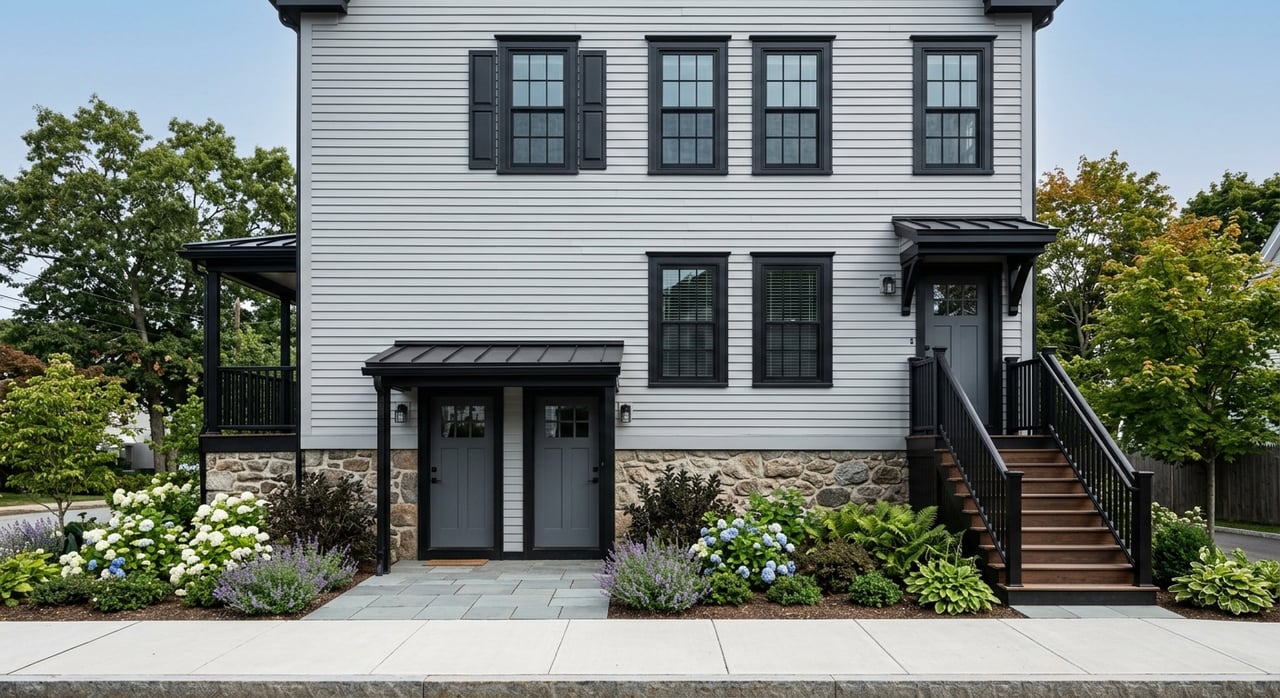
In Fairfield County, small multifamily usually means duplexes, triplexes, fourplexes, and other 2- to 4-unit properties. This is the space between a single-family house and a larger apartment building, and it often includes the kind of older housing stock found near town centers and established neighborhoods.
That matters because this category is relatively limited. Connecticut’s housing assessment found that small multifamily permitting made up just 3% of total building permits in 2017, even though Fairfield County produced more multifamily housing than any other county in the state between 2000 and 2018. When supply is limited, well-located properties can stay attractive over the long run.
Fairfield County is not one rental market
One of the biggest mistakes investors make is treating Fairfield County like a single rental market. In reality, rent levels, tenant budgets, and renter profiles can look very different depending on the town.
Here is a quick snapshot from the research:
| Town | Median Gross Rent | Median Household Income |
|---|---|---|
| Bridgeport | $1,450 | $58,685 |
| Norwalk | $2,073 | $107,616 |
| Fairfield | $2,185 | $172,432 |
| Stamford | $2,276 | $111,586 |
| Westport | $2,509 | $250,000+ |
| Greenwich | $2,674 | $206,130 |
These numbers show why your strategy needs to match the location. A duplex in Bridgeport may appeal to a more price-sensitive renter base, while a renovated small multifamily in Stamford, Norwalk, Fairfield, Westport, or Greenwich may be competing for commuters or higher-income renters with different expectations around condition, layout, and convenience.
Where demand comes from
Renter demand in Fairfield County is tied closely to commuting patterns and the region’s broad income mix. Connecticut’s housing assessment found that Fairfield County has the highest share of commuters with travel times of 60 minutes or more in the state, at 17%.
For investors, that supports the appeal of small multifamily near transportation access, downtown areas, and established employment corridors. Many renters are balancing cost, convenience, and commute time, which can make well-placed 2- to 4-unit properties especially relevant.
At the same time, affordability still matters. The state’s housing assessment found that no county has enough affordable units for very-low-income households, Fairfield County has one of the largest affordable housing gaps, and roughly half of renters statewide are cost-burdened or severely cost-burdened. That means demand may stay durable, but pushing rents too aggressively can increase turnover risk.
Why location inside each town matters
Small multifamily stock is not spread evenly across Fairfield County. It is often clustered in older, denser neighborhoods and town-center areas rather than newer subdivision-style areas.
Stamford’s housing affordability plan helps explain why. It states that only 9% of parcels allow multifamily use, while 79% allow single-family only. In many neighboring towns, the pattern is even more restrictive. For you as an investor, that means the right block, zoning district, or parcel can make a major difference in both current income and future flexibility.
Zoning can shape the whole deal
In Connecticut, municipalities control zoning authority over land use, density, and special permits. That means a small multifamily investment is never just a countywide story. It is a town-by-town, and often property-by-property, analysis.
Two properties with similar rents can have very different long-term value if one has more favorable rules for parking, lot coverage, expansion, or unit configuration. Before you get too attached to a projected return, you need to understand what the town allows today and what approval path applies if you want to improve or reposition the property later.
Questions to ask on zoning
- Is the existing use conforming under current local zoning?
- Are 2- to 4-unit properties allowed by right, or do they require special approval?
- What are the parking requirements?
- Are there limits on lot coverage, setbacks, or building size?
- If you want to add value later, is expansion or reconfiguration even possible?
These questions may sound technical, but they directly affect your risk and upside.
How to think about underwriting
For most 2- to 4-unit properties, the underwriting starts with gross rent and moves down from there. You estimate realistic rent, then account for vacancy, maintenance, operating costs, taxes, insurance, and reserves before asking what remains for debt service and cash flow.
This is especially important in Fairfield County because expenses can materially change the deal. A property that looks strong on gross income alone may feel much tighter once carrying costs are fully modeled.
Core numbers to review
When you underwrite a small multifamily property, focus on:
- Current rent roll
- Market rent by unit type and condition
- Vacancy allowance
- Property taxes
- Insurance costs
- Maintenance and repair reserves
- Utilities and who pays them
- Capital improvement needs
- Debt service at realistic financing terms
A disciplined review helps you avoid buying based on hope instead of numbers.
Owner-occupied small multifamily can be different
If you plan to live in one unit, a 2- to 4-unit property can work as both a home and an investment. The research report notes that federal underwriting guidance allows rent from the other units to be considered in qualification for multiple-unit properties, and that automated underwriting may apply a 75% adjustment to gross rental income when calculating net rental income.
That can make owner-occupied multifamily more accessible than some buyers expect. Still, lender treatment can vary, so you should confirm the exact income treatment and documentation requirements with your lender early in the process.
Condition matters as much as rent
Long-term performance is not just about what a property earns today. In many Fairfield County towns, an older duplex or triplex may come with deferred maintenance, layout limitations, or infrastructure issues that affect future costs and tenant appeal.
A stable older building with clean systems and predictable upkeep may be the better investment compared with a lightly renovated property that looks good at first glance but has limited flexibility or larger capital needs waiting underneath. In this segment, durability and functionality often matter just as much as cosmetic upgrades.
Look closely at these items
- Roof age and condition
- Heating and cooling systems
- Electrical and plumbing updates
- Separate or shared utilities
- Parking layout
- Basement and storage usability
- Unit layouts and bedroom counts
- Common area condition
These details influence both day-to-day management and resale value.
Matching strategy to submarket
Because Fairfield County includes several distinct rental environments, your approach should fit the town and tenant profile. There is no single blueprint that works everywhere.
In a lower-rent, more price-sensitive submarket, stable occupancy and controlled expenses may be the priority. In a higher-rent commuter-oriented area, the better play may be product quality, layout, and location near transportation or town-center amenities. In higher-income towns, the rent ceiling may be stronger, but so are expectations around condition and presentation.
What smart investors watch closely
In this market, successful small multifamily investing usually comes down to discipline. The strongest buyers do not just ask whether a property can rent. They ask who the likely renter is, what the town allows, how durable the cash flow is, and whether the asset still makes sense after realistic expenses and future repairs.
That is where local guidance matters. A property that looks similar on a listing sheet can perform very differently once you factor in zoning, block-level location, condition, and the renter base for that specific town.
If you are weighing a duplex, triplex, or four-unit property in Fairfield County, I can help you compare locations, review the numbers, and understand how each opportunity fits your goals. Whether you are buying locally or from out of the area, Anthony Damore offers hands-on investor guidance, virtual acquisitions, and property management support to help you move with more clarity.
FAQs
What is considered a small multifamily property in Fairfield County?
- In this market, small multifamily generally means a 2- to 4-unit property such as a duplex, triplex, fourplex, or similar soft-density housing type.
Why do Fairfield County towns vary so much for small multifamily investing?
- Connecticut gives municipalities control over zoning, density, land use, and special permits, so the rules and feasibility for small multifamily can change significantly from one town to the next.
Which Fairfield County towns have higher rents for small multifamily investors?
- Based on the research report, median gross rents are higher in towns such as Greenwich, Westport, Fairfield, Stamford, and Norwalk than in Bridgeport, but each town serves a different renter profile.
Why is zoning important for 2- to 4-unit investing in Fairfield County?
- Zoning affects whether the use is allowed, what parking is required, how much density is permitted, and whether future expansion or reconfiguration may be possible.
Can rental income help you qualify for a Fairfield County small multifamily purchase?
- For owner-occupied 2- to 4-unit properties, the research report notes that rent from other units may be considered in lender qualification, but the exact treatment varies by lender.
What should you review before buying a small multifamily property in Fairfield County?
- You should closely review rent levels, vacancy assumptions, taxes, insurance, maintenance, reserves, zoning, parking, layout, and overall building condition before making an offer.