Thinking about selling soon, but not sure what you should tackle first? If you own a home in Fairfield County, the market can reward smart preparation, but it can also punish vague pricing and rushed presentation. This guide will help you plan your next steps, understand what matters most, and move toward your sale with more confidence. Let’s dive in.
Know the Fairfield County market
If you are planning to sell your Fairfield County home soon, it helps to start with the bigger picture. Recent county data point to a market that is still competitive, but not one where every home sells quickly just because it hits the market.
In May 2026, Redfin reported a median sale price of $747,757 in Fairfield County, up 8.4% year over year. Homes averaged 32 days on market, with 768 sales that month. Zillow's county data for late June 2026 also showed 2,304 homes for sale, a median sale-to-list ratio of 1.014, 58.7% of sales above list price, and 11 median days to pending.
Those numbers should be used as directional context, not as interchangeable figures. Different sources use different methods and time frames. The real takeaway is simple: well-prepared homes can still move quickly, but pricing and presentation matter.
Build your sale plan early
Before you think about photos or listing dates, create a clear plan. Your sale timeline should cover budget, likely repairs, moving logistics, and how quickly you want or need to close.
This early planning stage can save you from last-minute decisions later. It also helps you decide what work is worth doing before you list and what can be left as-is.
Set your goals first
Start by defining what a successful sale looks like for you. You may want the highest possible price, the fastest closing, fewer disruptions for showings, or a timeline that lines up with your next move.
Your goals shape every decision that follows. Price strategy, prep budget, and offer review all become easier when you know your priorities from the start.
Budget for prep and moving
Selling a home usually comes with upfront costs. You may need to spend on cleaning, minor repairs, touch-ups, staging, storage, and moving.
It is smart to map those costs out early. That way, you can make decisions based on likely return instead of reacting under pressure.
Focus on the prep that pays off
Not every improvement needs to happen before you list. In most cases, the best return comes from work that makes your home feel clean, cared for, and easy for buyers to picture as their own.
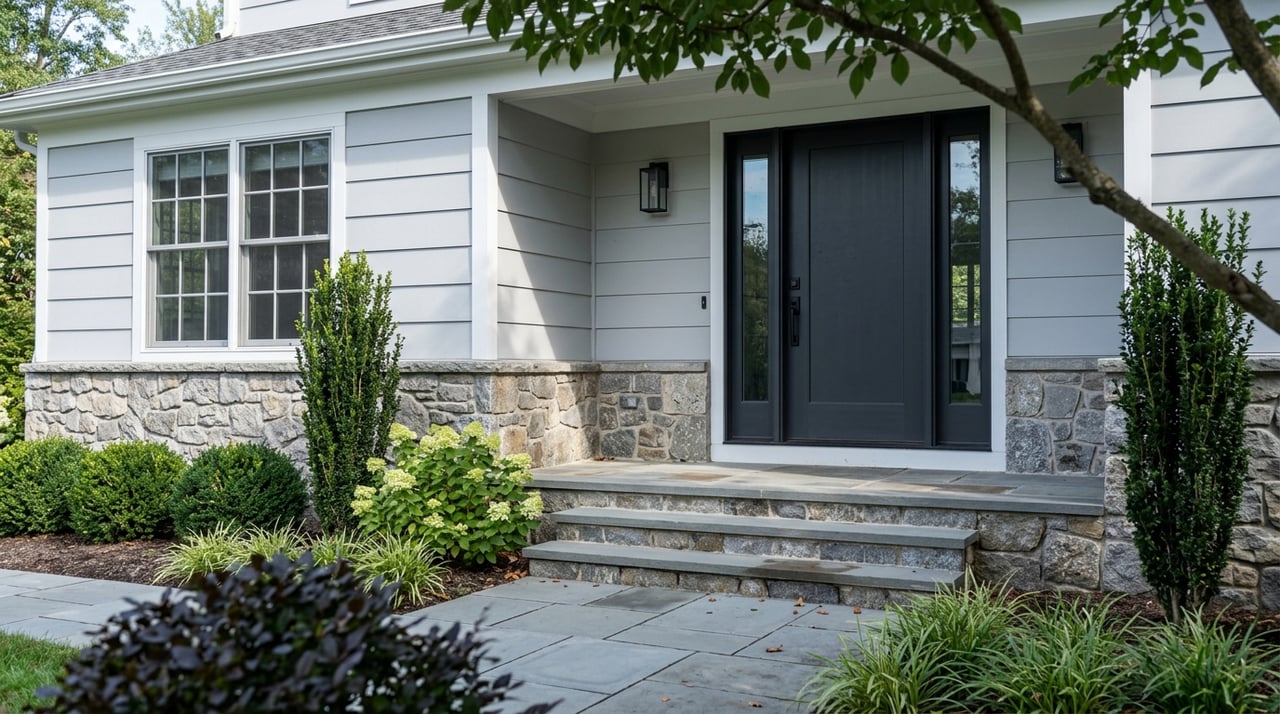
That means starting with decluttering, deep cleaning, neutralizing bold decor, and improving curb appeal. You should also gather warranties, guarantees, and user manuals for systems and appliances that will remain with the property.
Consider a pre-sale inspection
A pre-sale inspection is not required, but it can be useful. It may help you spot issues before a buyer does, which gives you more control over how to handle them.
If a major repair comes up, you can decide whether to fix it, price around it, or prepare an estimate so buyers know what to expect. That kind of clarity can reduce surprises during negotiations.
Prioritize key rooms
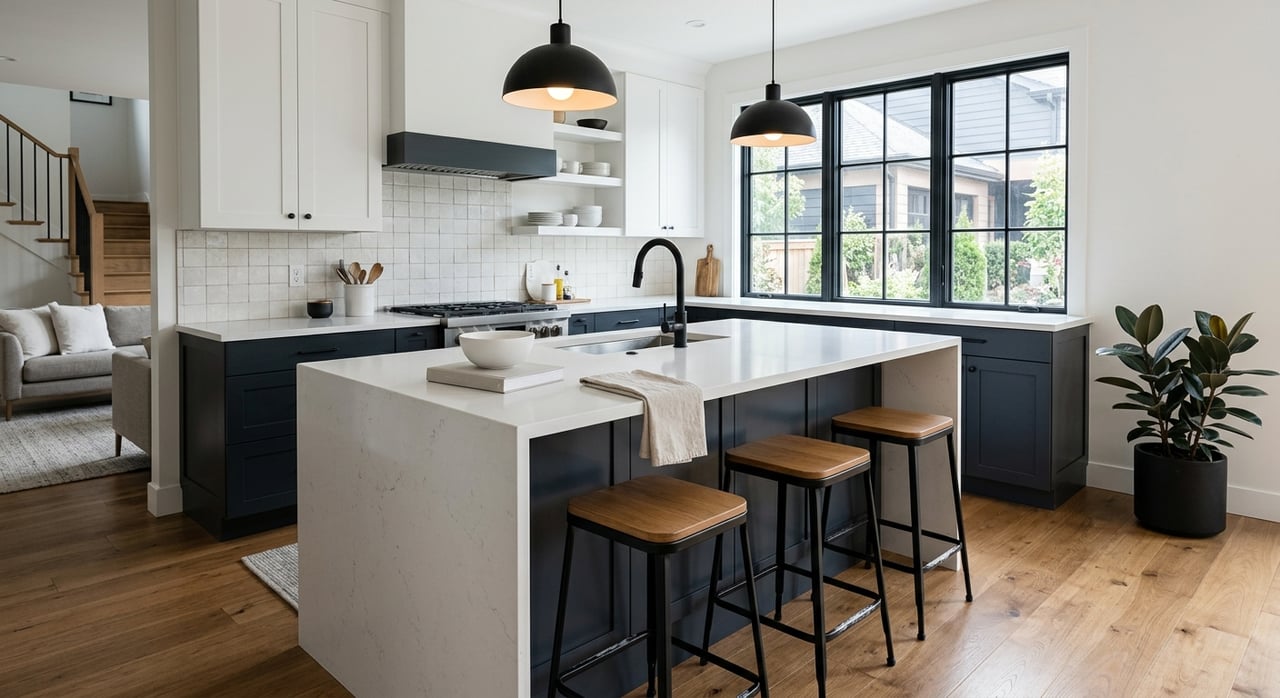
If you are deciding where to spend time and money, focus on the rooms buyers tend to notice most. Industry guidance points to the living room, primary bedroom, and kitchen as especially important spaces.
You do not need to fully renovate those rooms to make an impact. In many homes, simple updates like better lighting, fresh paint, cleaner surfaces, and less furniture can improve how the space shows.
Decide if staging makes sense
Staging can be worth considering, especially if your home is vacant, heavily personalized, or has an awkward layout. According to the National Association of Realtors' 2025 staging report, 29% of agents said staging led to a 1% to 10% increase in the dollar value offered.
The same report found the median cost of using a staging service was $1,500. That does not mean every home needs full staging, but it does show why presentation deserves serious attention.
Price from your local comp set
One of the biggest mistakes sellers make is pricing from broad county headlines instead of direct local comparables. Fairfield County is large, and the right price for your home depends on your town, property type, condition, and price band.
A countywide median can offer context, but it should not set your list price. The strongest pricing strategy comes from recent comparable sales and current competition in your immediate market.
Compare the right homes
Look at homes similar to yours in location, size, style, and condition. Also pay attention to what is currently active, because your home is not only competing with sold listings, but with the choices buyers can tour right now.
This matters in a market where some homes go pending quickly and others sit. Small differences in pricing and presentation can affect both days on market and your final sale-to-list outcome.
Be ready to adjust quickly
The first days on market matter. If your home does not get enough attention early, it is usually better to course-correct quickly than to wait and hope.
A stale listing often becomes harder to sell over time. Depending on the response, a price reduction or seller incentive like closing-cost help may make sense.
Choose your timing carefully
If you have flexibility, seasonal timing can help. Industry seasonality data show that late spring through early summer is often one of the strongest windows for existing-home sales.
June is especially active, with prices often peaking around that time and typical days on market staying relatively short. That does not mean you cannot sell well in another season, but it does mean timing can support your strategy if you have options.
Match timing to your readiness
The best listing date is not always the earliest possible date. If waiting a few weeks allows you to clean up, complete repairs, improve photos, or stage properly, that delay may help your result.
A polished launch often beats a rushed one. In a selective market, buyers notice the difference.
Market your home where buyers look first
Most buyers begin their search online. That means your home needs to look strong on a screen before it ever gets a showing.
Buyers consistently rate photos, detailed property information, floor plans, virtual tours, and video as useful listing features. If your marketing is weak online, you may lose interest before buyers ever step through the door.
Use broad exposure
A strong marketing plan should prioritize MLS exposure, professional photography, staging when needed, social media, signage, open houses, and virtual tours. MLS exposure usually provides the broadest reach, which matters when you want to attract serious buyers quickly.
For sellers in Fairfield County, wide distribution and strong visuals can help your listing compete across towns and price tiers. This is where a clear, organized launch really pays off.
Make showing-ready living easier
Once your home is live, showing management becomes part of the job. Keep the home clean, secure valuables, protect pets, and be prepared for short-notice tours.
In-person tours still play a major role in buyer decisions. The easier your home is to show, the more opportunities you create.
Handle Connecticut disclosures early
If you are selling in Fairfield County, Connecticut disclosure rules should be part of your planning from the beginning. Most sellers must provide a written residential condition report before a buyer signs a binder or contract.
As of July 1, 2025, certain sellers must also provide a Residential Foundation Condition Report. These reports are not warranties and do not replace inspections, but they are still an important part of the transaction.
Know the cost of missing paperwork
If the required report is missing, the contract must include a $500 credit to the buyer at closing. That is an avoidable issue, which is why it makes sense to gather the required forms early rather than scramble later.
Getting organized upfront helps your transaction move more smoothly. It also reduces the chance of delays once you have an accepted offer.
Review offers beyond the price
The highest offer is not always the best offer. When offers come in, you should weigh the full package, including contingencies, inspection periods, and the proposed closing date.
Terms can affect your net proceeds, your stress level, and the odds of actually making it to the closing table. A cleaner offer with fewer complications may be stronger than a higher number with more risk attached.
Look at the whole picture
As you compare offers, ask practical questions:
- How likely is this buyer to close on time?
- Are the contingencies manageable?
- Does the closing date fit your moving plan?
- Is the offer price supported by terms that make the deal realistic?
A careful review helps you choose the offer that best supports your goals, not just the one with the biggest headline.
Prepare for closing costs and taxes
As closing approaches, Connecticut sellers should plan for conveyance tax and deed-recording steps. The grantor or authorized agent must file Form OP-236 when the deed is recorded.
Connecticut's residential conveyance tax is 0.75% up to $800,000, 1.25% from $800,000 to $2.5 million, and 2.25% above $2.5 million, plus the applicable municipal portion and any local surtax if it applies. Electronic filing is also allowed through myCTREC in participating municipalities.
Avoid last-minute surprises
Closing costs can affect your net proceeds more than many sellers expect. Planning for taxes, credits, and sale-related expenses in advance gives you a more accurate picture of what you will walk away with.
That kind of preparation also makes your next move easier. Whether you are buying again, relocating, or downsizing, clear numbers matter.
Final thoughts for Fairfield County sellers
If you are planning to sell your Fairfield County home soon, the best move is to start earlier than you think you need to. A solid plan, realistic pricing, smart prep, and broad marketing can help you stand out in a market that still rewards well-positioned listings.
You do not need to guess your way through the process. If you want a clear strategy for timing, pricing, presentation, and next steps, Anthony Damore can help you build a sale plan that fits your goals.
FAQs
What should Fairfield County home sellers do first before listing?
- Start with a clear plan for timeline, budget, repairs, moving logistics, and pricing strategy based on your local market.
How should you price a home in Fairfield County, CT?
- Price from recent comparable sales and current competition in your town, property type, condition, and price range rather than relying only on countywide averages.
Is staging worth it for a Fairfield County home sale?
- Staging can help, especially if your home is vacant or highly personalized, and industry data show it may improve offer value and marketability.
What disclosures are required when selling a home in Fairfield County, CT?
- Most sellers must provide a written residential condition report before a buyer signs a binder or contract, and certain sellers must also provide a Residential Foundation Condition Report.
What costs should Connecticut sellers expect at closing?
- Connecticut sellers should plan for residential conveyance tax, deed-recording steps, and any applicable municipal portion or local surtax, along with other sale-related closing expenses.
When is the best time to sell a home in Fairfield County?
- If you have flexibility, late spring through early summer is often a strong seasonal window, but readiness, pricing, and presentation still matter in any season.