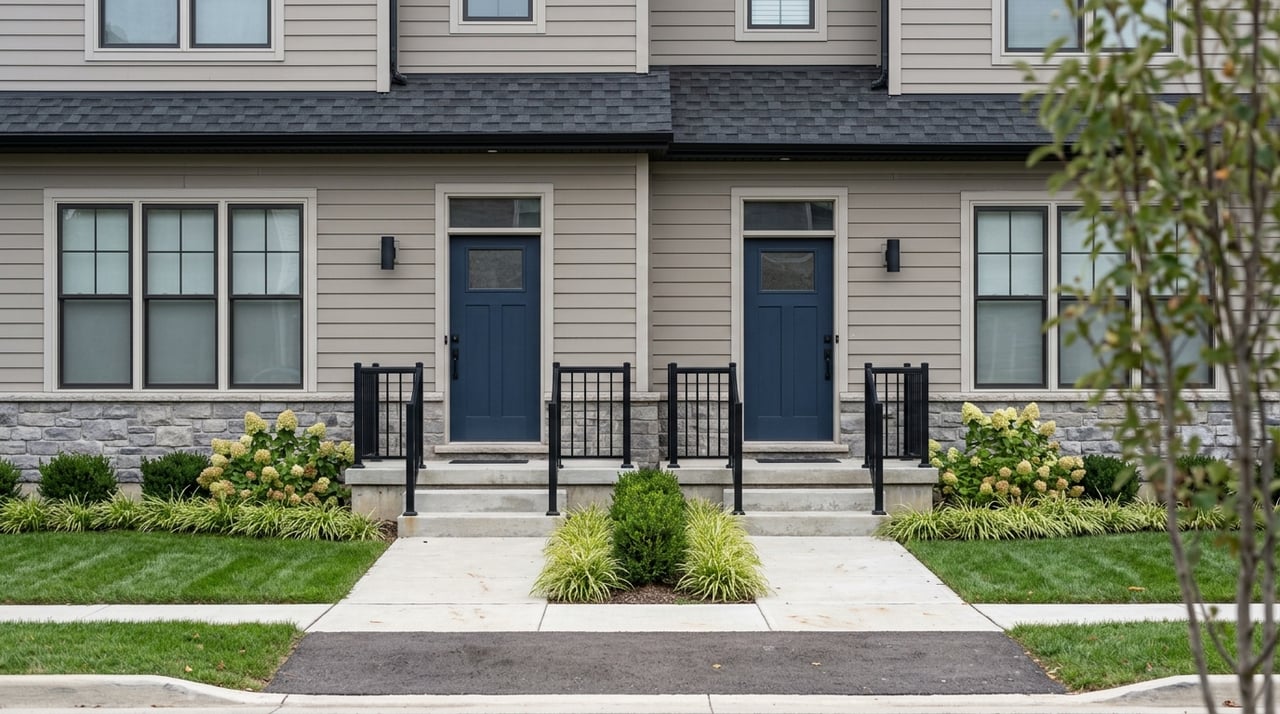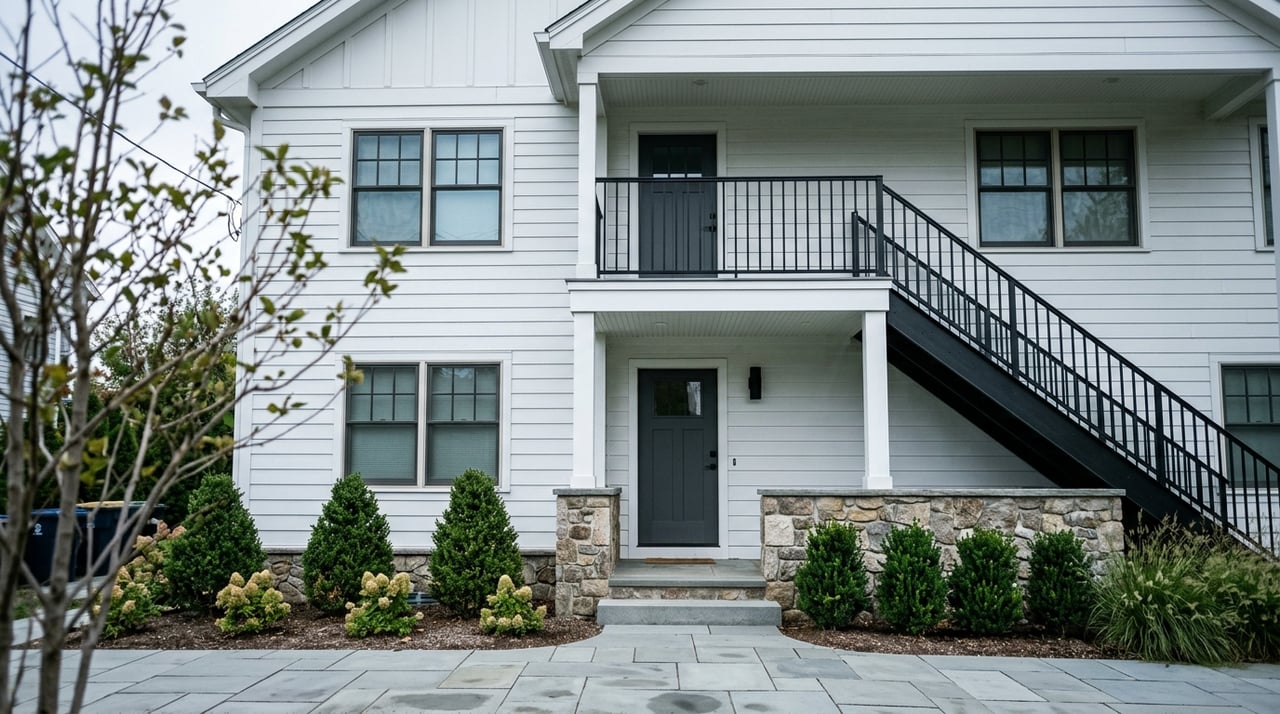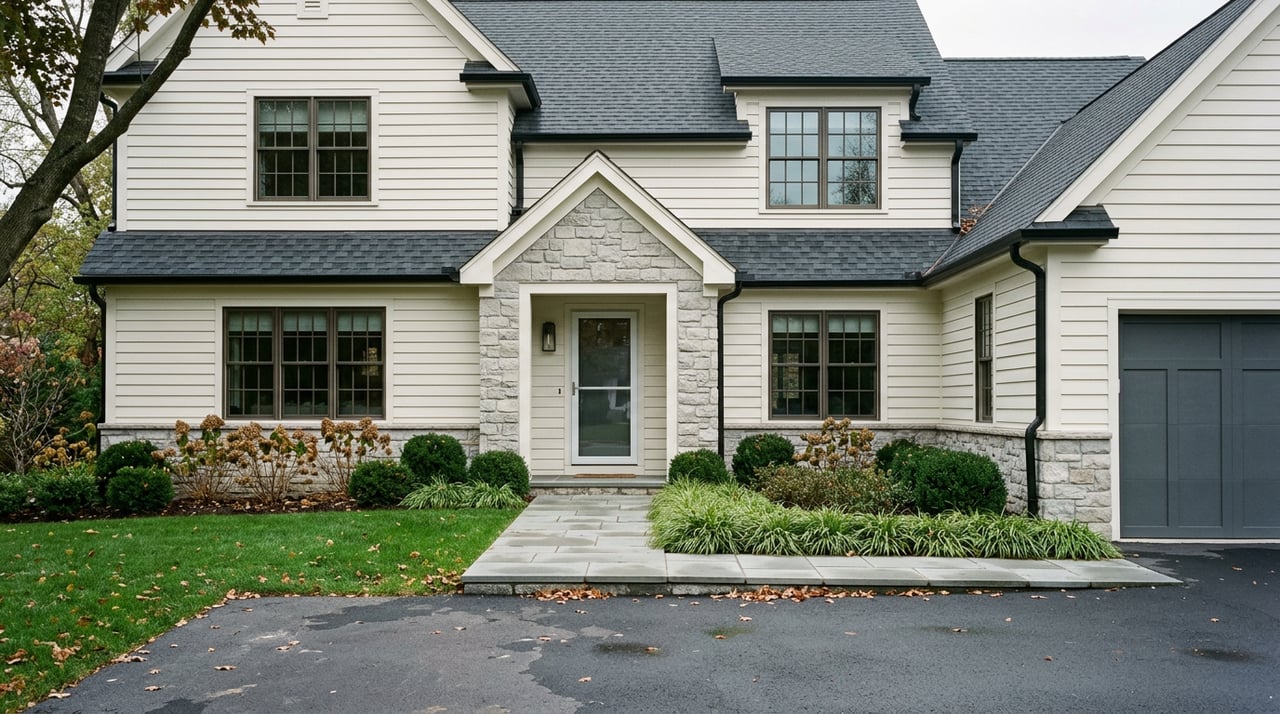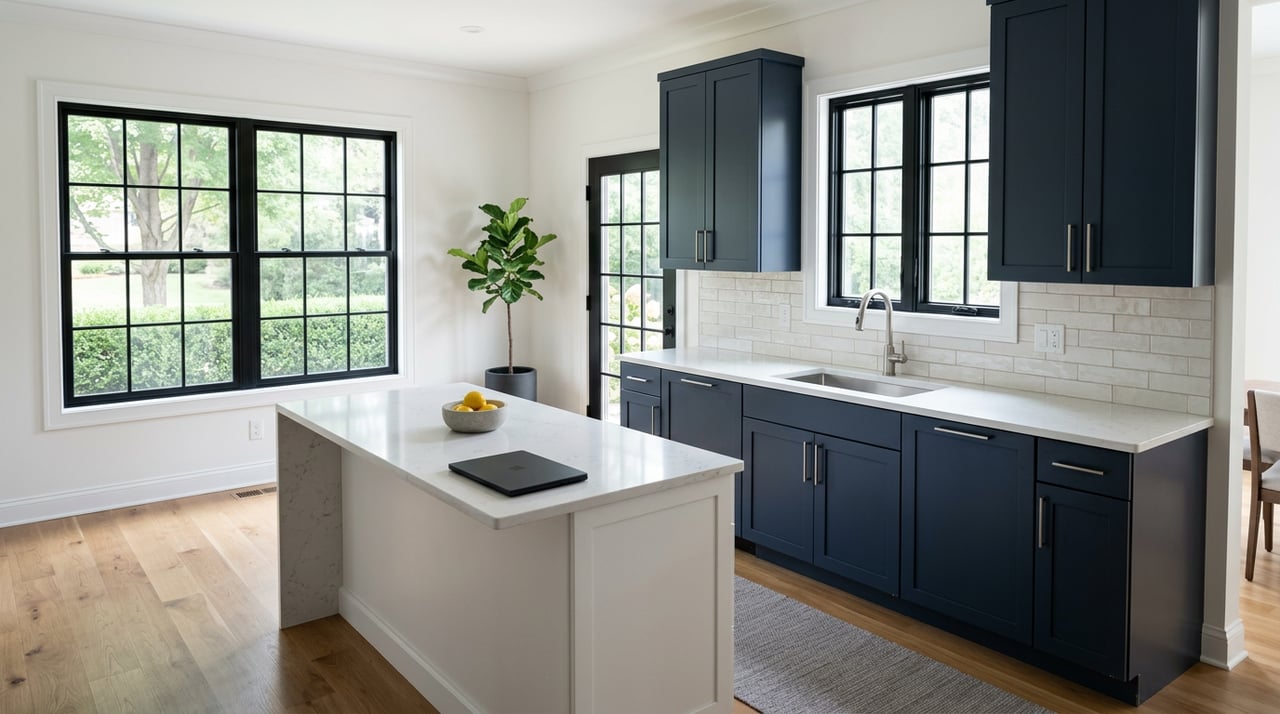
Setting the right list price is the single decision that can make or cost you real money when you sell in Fairfield County. If you’ve watched neighbors get multiple offers while other homes sit, you know price drives momentum. You want a plan that fits your home, your timeline, and your local buyer pool. In this guide, you’ll learn how agents set price using comps, condition, months of supply, and micro-market dynamics, plus practical strategies and a clear prep timeline. Let’s dive in.
How list price is set
Start with comparable sales
Recent closed sales in your immediate area are your anchor. Focus on homes that match your type, size, lot, age, and key features within the last 3 to 6 months. When activity slows, you can widen the window, but be careful with older comps if rates or inventory have shifted. Accurate comp selection is the foundation of a strong pricing plan.
Adjust for condition and updates
Condition moves your value up or down relative to the best comps. Renovated kitchens and baths, updated systems, a finished lower level, and strong curb appeal can justify higher positioning. If you prefer to sell as-is, you can still win by pricing to reflect work a buyer may take on. Aligning list price with condition helps you meet the right buyer where they are.
Cross-check price per square foot
Price per square foot is a quick sense-check across similar homes. Use it to support, not replace, a comp-driven approach. Layouts, finishes, and neighborhood differences can swing this number. Always defer to the closest matching comps.
Absorption and months of supply
Look at the pace of sales versus active listings in your town and neighborhood. Months of supply equals active listings divided by average monthly sales. Around 6 months is considered balanced. Less than about 4 months often favors sellers, while more than about 7 to 8 months favors buyers. In tighter supply, you can price more confidently. When inventory builds, consider pricing at market or slightly below to pull in traffic.
Days on market and negotiation patterns
Buyers watch days on market closely. A longer timeline can signal room to negotiate. Your area’s typical list-to-sale price ratio shows the average spread between list and final price. If early traffic is soft, a small, well-timed reduction paired with fresh marketing can revive interest without hurting perceived value.
Micro-markets in Fairfield County
High-tier coastal and commuter towns
In places like Greenwich, Darien, New Canaan, Westport, and parts of Stamford, many buyers value school district considerations, lifestyle, and quick access to Metro-North. Proximity to town centers and waterfront locations can command premiums. In this tier, thoughtful staging and polished presentation can help justify stronger pricing, especially when supply is tight.
Suburban family towns
In Fairfield, Trumbull, Monroe, and Shelton, buyers often balance budget, space, and convenience. Functional updates, clean mechanicals, and practical improvements carry real weight. Pricing to capture the most active entry bands in each town can significantly expand your buyer pool.
Urban and entry-level areas
In Bridgeport, parts of Stratford, and some Stamford neighborhoods, price sensitivity is higher and searches are often filter-driven. Investors also watch these markets. Slight overpricing can stall showings quickly. Hitting the right number out of the gate matters.
Waterfront and flood factors
For coastal properties, elevation, flood zone, storm protection, and insurance considerations are major value drivers. Specialist comps and clear disclosures are essential. Correctly priced waterfront homes can still move quickly, while overpriced ones tend to linger.
Competing with Dutchess and Putnam
Some buyers compare Fairfield County to Dutchess and Putnam Counties for more land at a lower price point. Those buyers usually prioritize price over commute. If your home overlaps with that audience, make price and condition compelling enough to offset the longer-distance alternatives.
Pricing strategies and outcomes
Market pricing
This is a comp-driven number designed to net near the list price. In a balanced market, you can expect steady showings and offers in a few weeks. It’s a strong default for most sellers.
Slightly under-market
Listing 2 to 5 percent below fair value can amplify traffic and create multiple offers when supply is tight. You may end up selling over ask. If demand is muted, this strategy may simply produce a lower sale price, so confirm local activity first.
Premium or aspirational pricing
Listing above market aims to test whether buyers will pay a premium for uniqueness. Expect fewer showings and a longer timeline. If interest lags, plan a timely, modest reduction paired with renewed marketing.
Price-banding and thresholds
Search filters and round numbers matter. Being just under a common cutoff, such as 999,900 versus 1,000,000, can expand your visibility. Choose a price band that matches how your target buyers search.
Hypothetical examples by property type
- Darien single-family around the 1 million range (updated, 4 bedrooms)
- Market comps support 995,000.
- List at 995,000: steady showings, likely offers within 2 to 3 weeks.
- List at 975,000: more first-week showings and a better chance at multiple offers; sale could exceed 995,000.
- List at 1,100,000: limited showings, longer days on market, higher chance of later reduction.
- Fairfield waterfront single-family
- Elevation, flood zone, and insurance drive pricing as much as square footage.
- Price at comp with thoughtful adjustments for flood and condition to capture serious waterfront buyers.
- Stamford condo near Metro-North in the 400,000 to 700,000 band
- Buyers use strict price filters.
- In a balanced market, price at market. If inventory builds, consider slightly below to capture first-time and investor interest.
- Bridgeport 2 to 4 unit multifamily
- Investors underwrite cap rate and rehab needs.
- Accurate rent roll and expense data support realistic pricing. Overpricing relative to area returns deters showings.
Appraisal and financing factors
In competitive moments, sale prices can push above recent comps, which may raise appraisal risk for buyers with higher loan-to-value financing. Cash or larger down payments reduce that risk. Work with your agent to supply documentation and comps to the appraiser. If a gap appears, you can negotiate concessions, appraisal gap coverage, or explore alternatives with the lender.
3 to 6 month prep timeline
Weeks 12 to 24: data and decisions
- Pull 6 to 12 comps that closed in the last 3 to 6 months, plus pending and active for context.
- Request a comparative market analysis and a written pricing plan with aggressive, market, and aspirational scenarios.
- Complete critical repairs and safety items. Decide if you will do larger updates or price for as-is.
- Gather utility records, permits, and any survey. Consider a pre-list inspection for older systems.
Weeks 4 to 8: presentation and launch plan
- Book professional photos, floor plans, and a virtual tour for day one.
- Confirm whether a Coming Soon period fits your area’s rules and your strategy.
- Plan to debut when buyer activity is typically strongest. The first two weeks are crucial.
Weeks 0 to 8 on market: test and tune
- Track showings and feedback closely in the first 7 to 14 days.
- If traffic is light, review price band, photos, and remarks. Consider a small 2 to 3 percent adjustment tied to refreshed marketing.
- If demand is strong, your agent may set a clear offer review date to support a fair and competitive process.
Negotiation, appraisal, and closing
- Prepare for appraisal conversations if your sale price exceeds recent comps.
- Share your documentation package with the appraiser through your agent.
- Keep timelines tight and communication clear to maintain momentum.
Questions to ask your listing agent
- Which comps are you using and why are they the best match?
- What price band will we target and what is the rationale for that exact list price?
- What are current months of supply and typical days on market for my neighborhood?
- How will you market to buyers who search by defined price thresholds?
- What is the plan and timing for a price adjustment if we do not see expected traffic?
Signs your price needs a tweak
- Showings lag behind similar listings in the first two weeks.
- Lots of online views but few in-person tours.
- Repeated feedback cites better value in nearby options.
- You sit above a common search cutoff that restricts your audience.
Set your plan
When you define comps, adjust for condition, and align with months of supply, your price tells a clear story to buyers. Add top-tier presentation and a launch plan that targets the strongest buyer pool, and you give yourself the best chance to sell quickly and confidently. If you want a local, scenario-based pricing plan and a step-by-step launch, connect with Anthony Damore to get started.
FAQs
How long should a Fairfield County seller wait before reducing price?
- Review traffic and feedback after the first 7 to 14 days. If showings trail comparable homes, consider a small, strategic reduction paired with fresh marketing.
Does pricing low guarantee multiple offers in Fairfield County?
- No. It increases traffic, but multiple offers depend on real demand. In softer conditions, low pricing can simply result in a lower sale price.
Should I renovate before listing in Fairfield County?
- Prioritize cost-effective updates with clear impact, such as kitchens, baths, and curb appeal. Many sellers see strong results from cosmetic refresh and staging.
How do school districts and commute options affect price?
- They can expand the buyer pool and support stronger pricing in many towns. Proximity to rail and major corridors is often a meaningful factor for commuters.
How should I think about appraisals if offers come in above comps?
- Work with your agent to prepare comps and permits for the appraiser. Plan for options such as appraisal gap coverage or cash buyers if a shortfall appears.