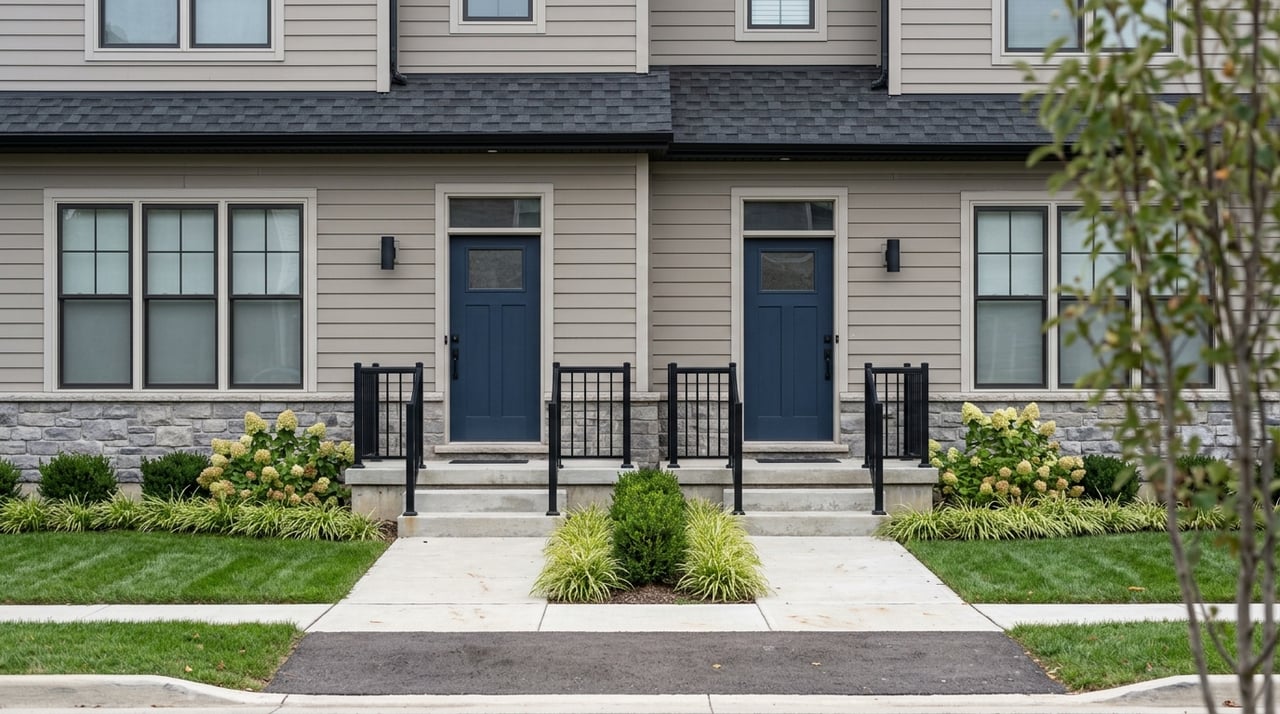
If you are weighing condo or townhome living in New Haven County, you are probably asking a simple question with a not-so-simple answer: what are you really buying? Between HOA fees, shared amenities, maintenance responsibilities, and different ownership structures, attached-home living can be a smart fit, but only if you understand how the details work. This guide will help you sort through the options, compare lifestyle tradeoffs, and make a more confident move in New Haven County. Let’s dive in.
Why condo and townhome labels matter
In Connecticut, a condo and a townhome are not always the same thing. A townhome describes the style of the home, but it does not automatically tell you the legal ownership structure.
According to the Connecticut Department of Consumer Protection condominium FAQs, condominium ownership usually means you own your individual unit while common elements are shared by all unit owners. The state also recognizes planned communities and cooperatives as other types of common interest communities, which means a townhouse-style home could still fall under a different legal setup.
That distinction matters because your ownership form affects what the association controls, what your fees cover, and which rules apply. If you are shopping attached homes in New Haven County, it is important to review the deed, declaration, and association documents instead of relying on the property style alone.
What condo living offers
For many buyers, condo living is about simplifying day-to-day homeownership. The Connecticut DCP notes that condos can offer lower maintenance and access to on-site amenities, but buyers should also be comfortable with shared walls, association rules, and board decisions.
That tradeoff is often what makes condos appealing. You may spend less time handling exterior maintenance, snow removal, or landscaping, while gaining access to features like pools, clubhouses, fitness rooms, or shared waterfront spaces in some communities.
In New Haven County, that can translate into very different living experiences depending on location. A city-focused community may offer convenience and amenities close to downtown, while a suburban or shoreline community may lean more heavily on outdoor maintenance coverage and recreational features.
What townhome living can look like
Townhome living often appeals to buyers who want more separation than a typical apartment-style condo. In many cases, you get a multi-level layout, a more traditional home feel, and sometimes direct-entry garages or private outdoor space.
Still, a townhouse-style property can be part of a condominium or another common interest community. The state’s consumer guidance makes clear that you should confirm the ownership structure before assuming what you own and what you maintain.
That is especially important when you compare monthly fees. Depending on the community, dues may be relatively modest or much higher if they include broader maintenance obligations, more amenities, or location-specific features such as beach access.
New Haven County price context
Attached homes often serve as a more accessible entry point than detached homes in New Haven County, though prices vary widely by town and community. As of early 2026, Redfin reported 252 condos for sale in New Haven County with a median listing price of $290,000, while the countywide median sale price for all homes was $380,000 in February 2026.
That broad gap helps explain why condos and townhomes are popular with first-time buyers, downsizers, and buyers who want lower exterior upkeep. At the state level, Connecticut REALTORS reported a January 2026 median sales price of $295,000 for townhouses and condos, which is broadly in line with New Haven County pricing.
Within the county, pricing can shift sharply from town to town. PropertyShark’s Q4 2025 data showed median sale prices ranging from $288,000 in New Haven to $725,000 in Madison, with towns like Hamden at $330,000, Wallingford at $375,000, Branford at $440,000, and Milford at $490,000.
How location changes the lifestyle
One of the biggest advantages of shopping condos and townhomes in New Haven County is variety. You can find attached homes tied to urban convenience, shoreline access, commuter-friendly suburban settings, and newer maintenance-light communities.
Urban and waterfront options
In New Haven, Harbour Landing is one example of amenity-rich attached living with water views, a clubhouse, pool, and exercise room. The location is also close to downtown New Haven, Union Station, I-95, and I-91, which can matter if you want convenience built into your daily routine.
Shoreline communities
In Branford, Harbour Village highlights the higher-priced shoreline side of the market with a private beach, in-ground pools, a clubhouse, harbor views, and access to Branford Center, the train station, and I-95. Communities like this can offer a very different value equation, especially when location and amenities are central to your decision.
Suburban commuter choices
For a more commuter-oriented setup, Hillside Village in Hamden shows how attached living can combine practical monthly costs with shared services. Its listing notes a $167 monthly HOA covering the clubhouse, playground, pool service, trash, snow, water, sewer, and property management.
Townhouse-style condo communities
In Wallingford, Elm Garden is a useful reminder that townhouse design does not necessarily mean non-condo ownership. This 65-unit townhouse-style condominium includes grounds maintenance, snow removal, water, sewer, property management, pest control, and insurance within its HOA structure.
Newer and move-up communities
Buyers looking for newer construction may find a different price point and amenity mix. The Reserve at Stonebridge Crossing in Cheshire starts from $583,685 and includes a pavilion, fire pit, walking loop, and trails in a maintenance-free setting.
Higher-end attached homes
Attached housing in New Haven County also reaches into the luxury range. A West Haven townhouse in Oronoque Forest Complex sold for $565,000 in 2025 and included a 2-car garage, pool, clubhouse, tennis and pickleball, gated entry, and access to beaches and commuter routes.
What HOA fees may cover
HOA fees are one of the first things buyers compare, but the number alone does not tell the whole story. What matters is what the dues actually include and whether that coverage lines up with your goals.
Based on examples in the county, HOA costs can range from about $167 to $909 per month. In some communities, fees may cover grounds maintenance, snow removal, water, sewer, trash, property management, insurance, pool service, clubhouse access, or beach rights.
A higher fee is not automatically a bad sign. It may reflect a broader maintenance package, more extensive amenities, or location-specific benefits. The key is understanding what you are getting and whether you would rather pay for those services through dues or handle more yourself in a different property type.
What to review before you buy
If you are serious about buying a condo or townhome in a common interest community, document review is not optional. Connecticut requires sellers of these units to provide resale disclosure documents that include monthly common charges, reserve amounts, unpaid charges, approved capital spending over $1,000, leasing or occupancy restrictions, and the number of owners delinquent by 60 days or more, according to the Connecticut DCP.
The same state guidance also notes that associations must provide those documents within 10 business days of request. In many Connecticut common interest communities, buyers also have a 15-day right to cancel after signing, though some smaller fully built communities are exempt.
DCP recommends reviewing these items carefully:
- Declaration
- Bylaws
- Rules and regulations
- Recent budget
- Minutes from the last 12 months
These records can help you spot practical issues before closing. You want to understand reserve funding, pet rules, rental limits, parking policies, pending capital projects, and whether the association may be more likely to impose a special assessment.
Questions to ask yourself first
Before you choose between a condo, a townhome, or a detached home, it helps to be honest about your daily priorities. The right fit usually depends less on the label and more on how you want to live.
Ask yourself:
- Do you want less exterior maintenance?
- Are shared walls a reasonable tradeoff for location or price?
- Would you use amenities like a pool, clubhouse, or fitness room?
- Are you comfortable following community rules?
- Do you need flexible pet or rental policies?
- Would you rather pay dues for convenience or manage more on your own?
Your answers can quickly narrow the field. Some buyers want simplicity and convenience, while others prefer more privacy and fewer association restrictions.
Who attached living may suit best
In New Haven County, condos and townhomes can work well for several types of buyers. Based on the local pricing spread, community structures, and examples across the county, attached homes often appeal to:
- First-time buyers seeking a lower entry point than many single-family homes
- Downsizers who want less upkeep
- Commuters who value access to highways or train service
- Buyers who want shoreline or amenity-rich living without maintaining a detached-house yard
That range is part of what makes this segment of the market so useful. You are not choosing one fixed lifestyle. You are choosing among several versions of convenience, cost, and maintenance.
If you want help comparing condo and townhome options in New Haven County, Anthony Damore can help you review communities, understand HOA documents, and narrow your search based on how you actually want to live.
FAQs
What is the difference between a condo and a townhome in New Haven County?
- A townhome describes the property style, while a condo describes a type of ownership. In Connecticut, a townhouse-style home may still be a condominium or another common interest community, so you should confirm the legal structure in the deed and declaration.
What do HOA fees usually cover in New Haven County condo communities?
- HOA fees vary by community and may cover items such as snow removal, grounds maintenance, water, sewer, trash, insurance, property management, pool service, clubhouse access, or beach rights.
Are condos in New Haven County more affordable than single-family homes?
- They often are. As of early 2026, Redfin reported a median listing price of $290,000 for condos in New Haven County, compared with a countywide median sale price of $380,000 for all homes.
What documents should you review before buying a condo in Connecticut?
- You should review the declaration, bylaws, rules and regulations, recent budget, and the last 12 months of meeting minutes, along with the required resale disclosure package.
Can you rent out a condo or townhome in New Haven County?
- Sometimes, but it depends on the community’s declaration and bylaws. Rental and occupancy restrictions can vary, so you should verify them before you buy.
Are townhomes in New Haven County always part of an HOA?
- Not always, but many are part of a condo association or another common interest community. In newer Connecticut communities, buyers are often dealing with a formal HOA or condo-association structure.