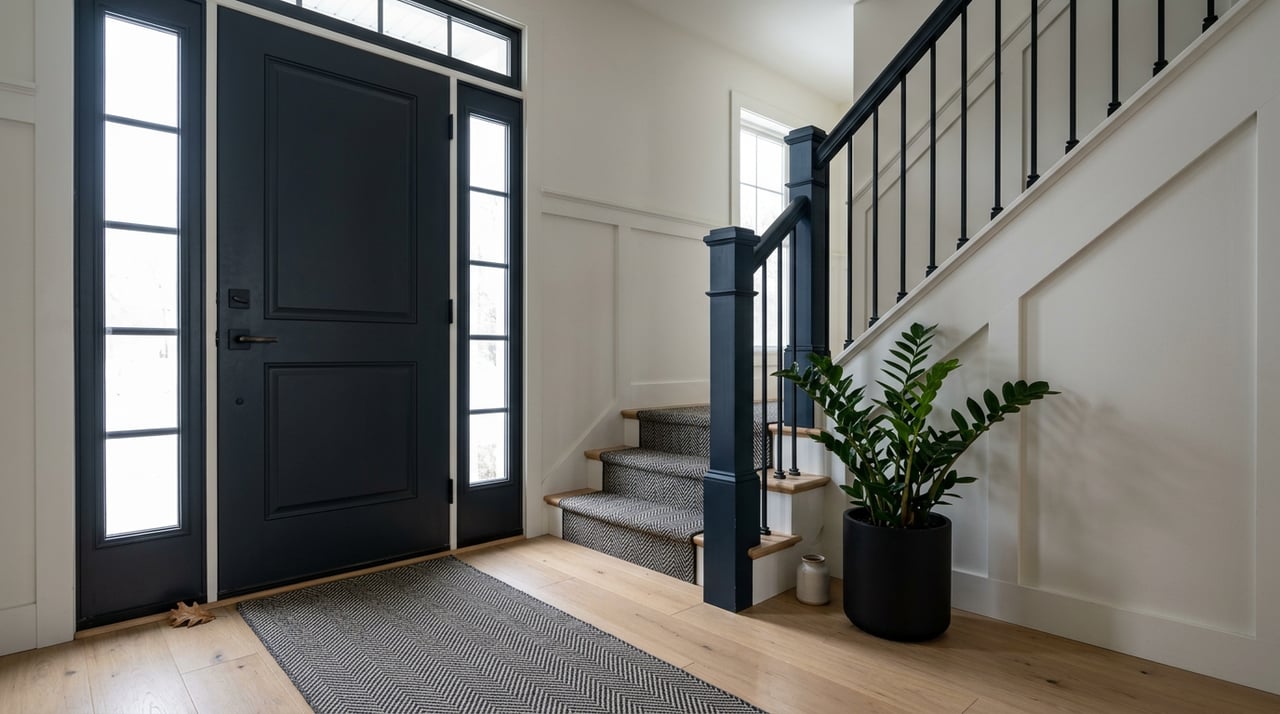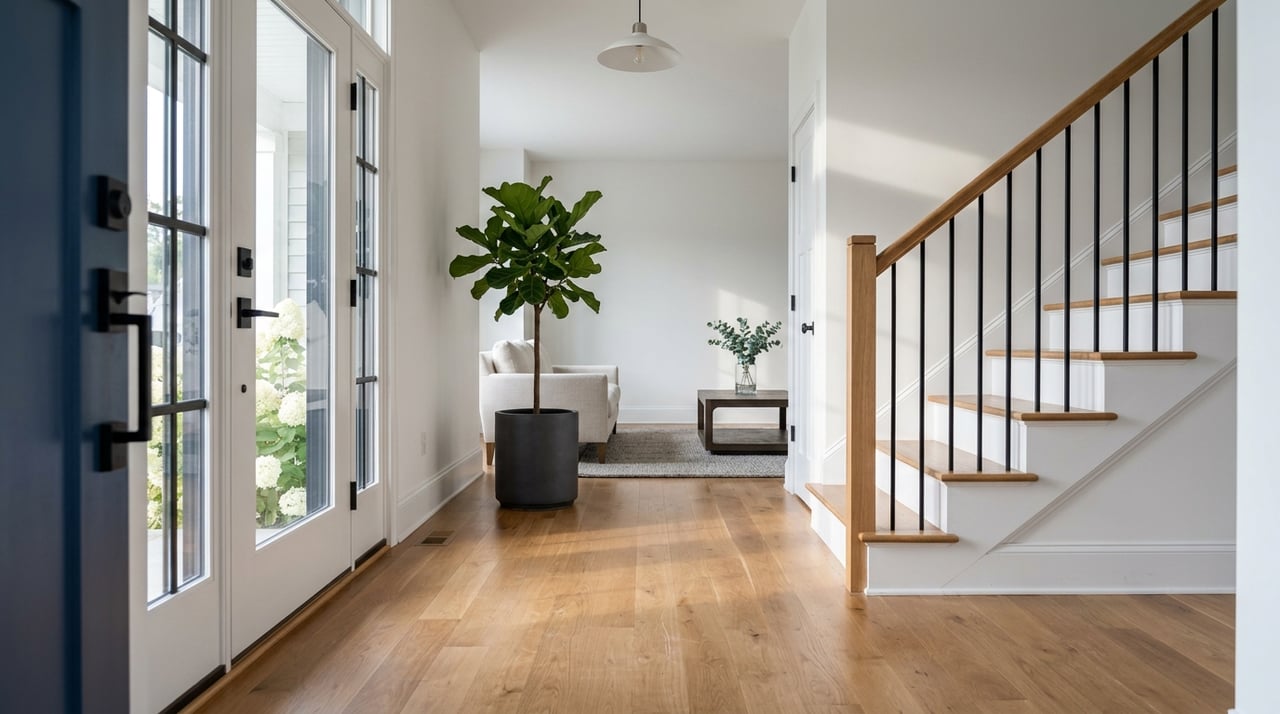
If you are thinking about selling in Fairfield County, the way your home looks before it hits the market can shape everything that follows. Buyers are moving fast online, comparing homes across very different price points and towns, and deciding within seconds which listings deserve a closer look. With the right prep plan, you can reduce friction, create a stronger first impression, and head into launch with more confidence. Let’s dive in.
Why prep matters in Fairfield County
Fairfield County is not a one-size-fits-all market. According to the State of Connecticut’s Fairfield region overview, the county is closely tied to the New York metro economy, with significant commuting in both directions. That commuter-friendly location, along with a wide mix of housing types, means buyers often compare homes quickly and expect a polished presentation.
Pricing also varies a lot from town to town. The same county can include homes around Norwalk’s value range and others above New Canaan’s, as shown on Zillow’s Fairfield County home values page. That is why preparation should match your home, your competition, and your target buyer, not a generic checklist.
Start with what buyers see first
Most buyers begin their search online. Zillow reports that 95% of buyers looked online while searching for the home they ultimately purchased. The same source, along with NAR’s recent consumer data cited there, shows that photos, detailed property information, floor plans, virtual tours, and video all play a major role in how buyers narrow their list.
That does not mean online presentation replaces an in-person visit. Zillow also found that 51% of buyers would not feel confident making an offer on a home they had not seen in person. In other words, your goal is to make the online presentation strong enough to get buyers through the door, then make the in-person experience live up to the promise.
Declutter before you do anything else
If you do only a few things before listing, decluttering should be near the top of the list. In NAR’s 2025 staging report, 91% of sellers’ agents said they recommended decluttering. That is a strong signal that clearing space is one of the most useful and cost-effective steps you can take.
Decluttering helps rooms feel larger, brighter, and easier to understand in photos. It also helps buyers focus on the home itself instead of your belongings. Zillow recommends half-emptying closets and storage areas, which can make a big difference in how spacious your home feels.
A smart pre-listing decluttering plan often includes:
- Removing excess furniture
- Clearing countertops and tabletops
- Organizing closets and storage areas
- Packing away personal photos
- Reducing visible pet items
- Simplifying shelves and decor
Deep clean every space
A clean home signals care and makes photos look sharper. NAR found that 88% of sellers’ agents recommended cleaning the entire home. Even a well-maintained property can lose momentum if buyers notice dust, odors, or buildup during a showing.
Focus on the details buyers tend to notice right away. Kitchens and bathrooms should look especially crisp. Windows, floors, baseboards, light fixtures, and high-touch surfaces all matter more than many sellers expect.
Fix visible issues before launch
Cosmetic issues may seem small when you live with them every day, but buyers often read them as signs of larger deferred maintenance. Before your home goes live, it is worth correcting visible faults and taking care of necessary improvements that could distract from the showing experience.
Zillow’s selling guidance recommends completing necessary home improvements before photography. That can include things like patching walls, touching up paint, repairing loose hardware, fixing leaking faucets, and replacing burned-out bulbs. The goal is not always a major renovation. Often, it is about removing the small objections that can add up during a buyer’s walkthrough.
Stage the rooms that matter most
Staging does not have to mean furnishing an entire house from scratch. It means helping buyers understand how the home lives and making it easier for them to picture everyday use. In NAR’s 2025 staging report, 83% of buyers’ agents said staging made it easier for buyers to envision the home as their future residence.
The same report shows that staging efforts most often focus on the living room, primary bedroom, dining room, and kitchen. Those are smart priority areas because they do a lot of the heavy lifting in both listing photos and in-person showings.
Prioritize key rooms
If your budget or timeline is limited, start here:
- Living room: Create clear seating areas and open pathways.
- Primary bedroom: Keep bedding simple and the room lightly furnished.
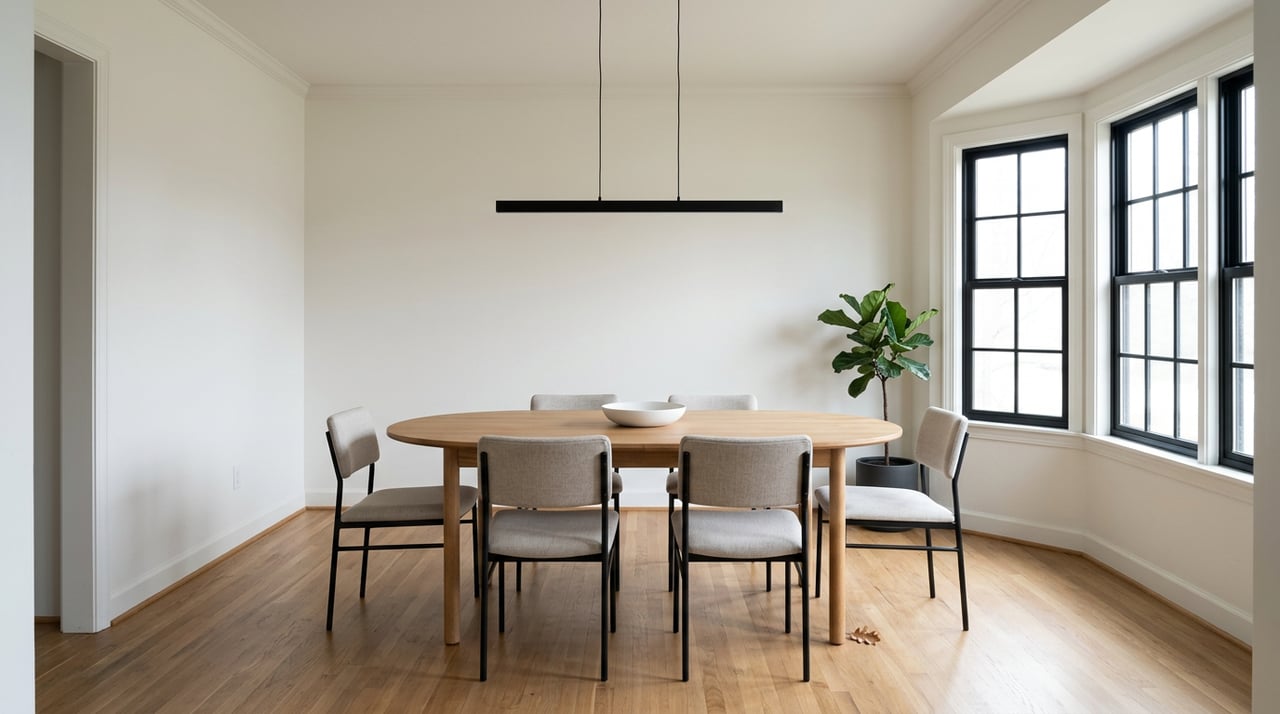
- Dining room: Show the room’s purpose with a clean, scaled layout.
- Kitchen: Clear counters and highlight workspace and storage.
Do not overlook curb appeal
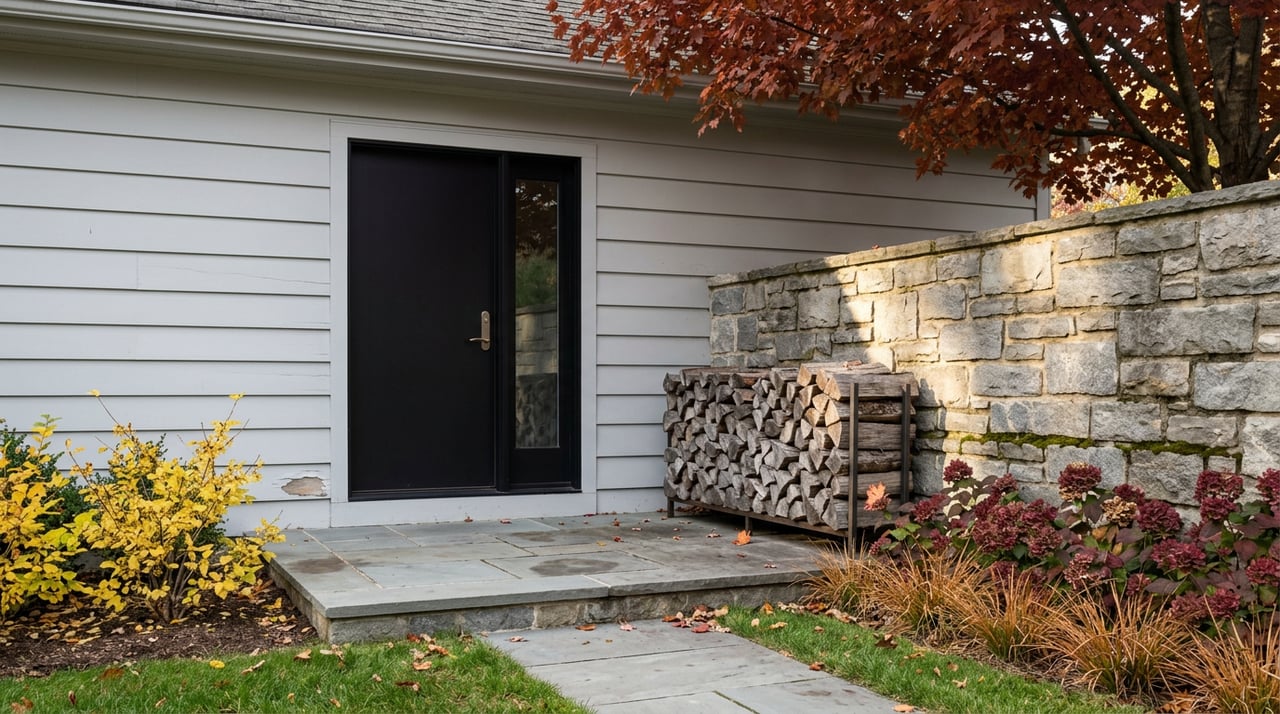
Your exterior sets expectations before a buyer opens the front door. NAR says 77% of sellers’ agents recommend improving curb appeal, and Zillow specifically advises sellers to mow the lawn, pull weeds, and clean walkways before buyers arrive.
In Fairfield County, where buyers may be touring several homes in one day, a tidy exterior can help your property feel more cared for from the start. This does not require a major landscaping project. In many cases, basic cleanup and maintenance create the biggest return.
Quick exterior checklist
- Mow and edge the lawn
- Pull weeds and trim overgrowth
- Sweep walkways and steps
- Clean the front entry
- Remove dead plants or seasonal clutter
- Make sure exterior lighting works
- Store trash bins and tools out of sight
Prepare your documents early
One of the most overlooked parts of getting ready to sell is paperwork. In Connecticut, sellers of 1-4 unit residential properties, including condos and co-ops, should be familiar with the current Residential Property Condition Report revised 07/2025. The state notes that it must be provided to a prospective purchaser before any binder, purchase contract, option, or lease with purchase option is executed.
That same Connecticut form page also notes that, effective July 1, 2025, certain owners must complete a separate Residential Foundation Condition Report. Getting clear on these requirements before your listing goes live can help you avoid delays later.
What to gather before listing
The current Connecticut condition report asks about items such as:
- Flood hazard areas
- Foundation or slab problems
- Basement seepage
- Roof leaks
- Drainage problems
- Water and sewage systems
- Radon
- Pests
- Prior inspections or repairs
Before launch, it helps to gather repair invoices, permits, warranty information, and any relevant inspection records. Transparency and organization can make the selling process smoother once buyer questions start coming in.
Time photography after the home is ready
This is where many sellers get ahead of themselves. Great marketing only works if the home is truly ready for the camera. Since buyers rely so heavily on visuals, you want photos, video, floor plans, and other media to reflect the home at its best.
Zillow recommends hiring professional real estate photography after the home is ready, not while you are still finishing prep work. In a market where homes can move quickly and buyers compare listings side by side, launching with strong media is not a luxury. It is part of the strategy.
A simple Fairfield County prep order
If you want a practical sequence, follow this order before your listing goes live:
- Declutter and depersonalize
- Deep clean the home
- Fix visible issues and complete needed touch-ups
- Stage the main living areas
- Improve curb appeal
- Organize disclosure and repair documents
- Schedule professional listing media
This order helps you avoid wasted time and makes each step support the next one. It also creates a cleaner, more consistent final presentation online and in person.
Sell with less friction
Preparing your Fairfield County home for market is really about making it easier for buyers to say yes to the next step. When your home feels clean, clear, well-maintained, and well-documented, your marketing works harder and your showings tend to go more smoothly. If you are getting ready to sell and want a practical plan tailored to your property, connect with Anthony Damore for hands-on guidance and a smart launch strategy.
FAQs
What should sellers do first when preparing a Fairfield County home for market?
- Start by decluttering and depersonalizing, since that helps both listing photos and in-person showings feel cleaner and more spacious.
How important is staging when selling a home in Fairfield County?
- Staging matters because NAR reports that 83% of buyers’ agents said it makes it easier for buyers to envision the home as their future residence.
What rooms should sellers stage before listing a Fairfield County home?
- Prioritize the living room, primary bedroom, dining room, and kitchen, since those are the rooms most commonly staged according to NAR.
What Connecticut disclosure forms should sellers review before listing a Fairfield County property?
- Sellers should review the current Residential Property Condition Report, and certain owners may also need the separate Residential Foundation Condition Report effective July 1, 2025.
When should professional photography be scheduled for a Fairfield County listing?
- Schedule photography only after decluttering, cleaning, repairs, staging, and exterior touch-ups are complete so the listing media shows the home at its best.