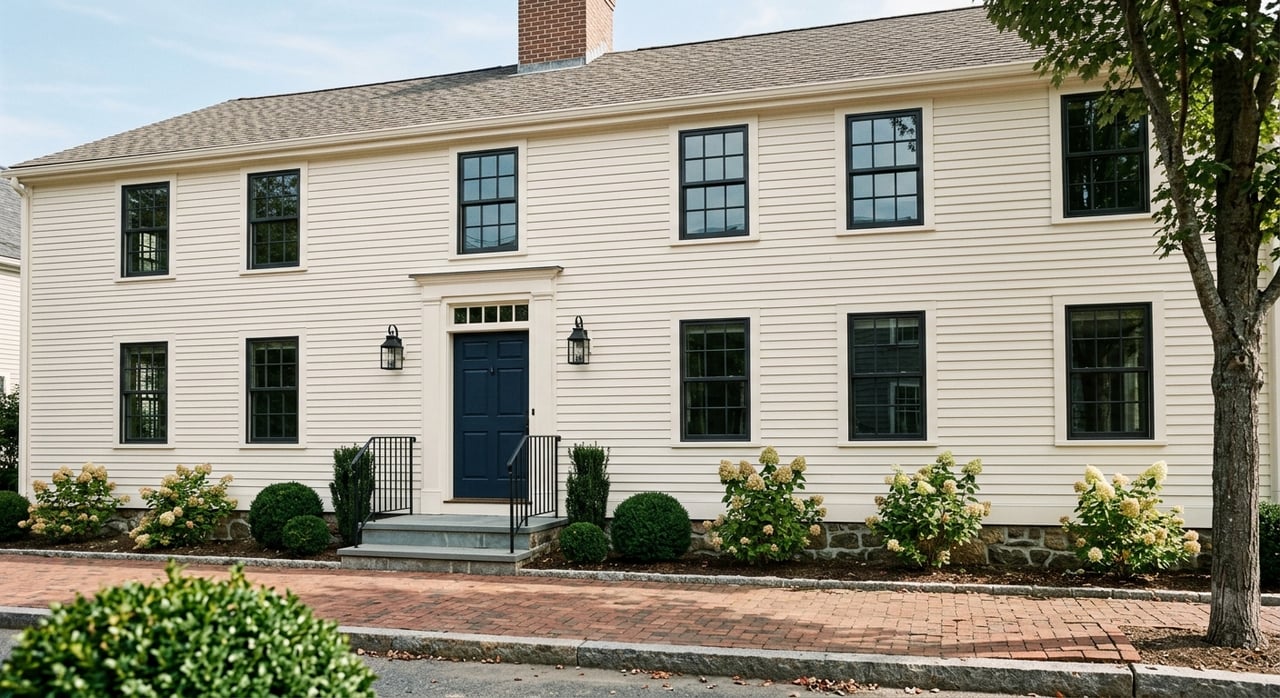
If you are drawn to places where daily errands, dinner plans, and community events can all happen within a compact center, Fairfield County’s historic town centers are worth a closer look. These are not downtowns that only come alive on weekends. They are active civic hubs where shopping, dining, public spaces, and in many cases train access or convenient parking all shape the rhythm of everyday life. Let’s dive in.
What makes these town centers different
Fairfield County’s historic centers tend to work as lived-in, everyday places rather than single-purpose shopping districts. Official town and civic sources describe them as areas where town halls, libraries, restaurants, shops, arts venues, and event spaces sit close together.
That creates a style of living that can feel simpler and more connected. Instead of planning your whole day around long drives, you may be able to combine a coffee run, a quick errand, dinner out, and a seasonal event in the same part of town.
Daily life feels practical and social
In many of these centers, convenience is the first thing you notice. Fairfield is described as a blend of shopping, dining, and arts and culture. New Canaan highlights the kind of evening where you can walk to dinner, dessert, a movie, and ice cream.
Other towns show the same pattern in slightly different ways. Ridgefield emphasizes Main Street boutiques and a wide restaurant mix, while Westport points to merchants, the library, and nearby parking as part of daily use. The result is a downtown experience that feels both practical and social.
Community events are part of the routine
One of the clearest themes across Fairfield County is that events are not just occasional attractions. In many town centers, they are woven into the regular calendar and help define how the area feels week to week.
Fairfield hosts events like the Sidewalk Sale & Street Fair and Shop & Stroll Into Spring. New Canaan’s calendar includes Village Fair, Sidewalk Sales, Holiday Stroll and Lights, concerts, and a Halloween Parade. Westport adds seasonal favorites like Summer Music on Church Lane, Sidewalk Sale, Westoberfest, Holiday Stroll, and the Fine Arts Festival.
That matters if you are choosing a town based on lifestyle, not just housing stock. A town center with recurring public events often feels more active, more familiar, and easier to enjoy as part of ordinary life.
Culture and civic spaces shape the atmosphere
Historic town centers also tend to have cultural anchors that support daily activity. In Fairfield, the Museum Commons and historic Town Green serve as a civic center, with exhibits, lectures, and walking tours. That gives the center a public identity beyond shopping and dining.
Westport’s library is another strong example of a civic anchor that adds foot traffic and everyday use. In Stamford, Latham Park hosts farmers markets, yoga, and food and drink festivals. Norwalk’s arts programming in Wall Street and South Norwalk also reinforces the idea that these places function as community gathering spaces, not just commercial corridors.
Parking and transit affect real life
Walkability is important, but so is how easily you can park or catch a train. In Fairfield County, that balance often shapes whether a downtown feels easy to use on a busy weekday.
Greenwich Avenue has metered parking, with downtown meters generally limited to two-hour stays and longer-term lots available around the center. Darien highlights free short-term shopper parking in downtown municipal lots. Westport says its downtown parking system includes more than 2,000 spaces across local lots.
These details may sound minor, but they are a major part of day-to-day comfort. A charming center feels even more functional when parking is straightforward or when the train station fits naturally into the town layout.
Town centers across Fairfield County
Not every historic center in Fairfield County feels the same. Some are village-like and compact, while others are denser and more urban. Here is how several well-known centers compare.
Greenwich feels polished and active
Greenwich Avenue is treated by the town as an iconic shopping and dining destination in central Greenwich. The town has also made pedestrian improvements near the Avenue and train-station area, which supports everyday movement between downtown and rail access.
Outdoor dining through the town’s planning process adds to the corridor’s daily energy. If you like a polished, active center with a strong commercial spine, Greenwich stands out.
Darien blends downtown and commuting
Darien’s business center grew around the railroad-station and Post Road crossing after the arrival of the New Haven Railroad in 1848. Today, the town highlights two train stations, Darien and Noroton Heights, along with many downtown municipal lots that offer free short-term parking for shoppers.
That combination gives Darien a practical rhythm. The station area and downtown are closely connected, which can make the town feel especially convenient for people who want both a local center and regular rail access.
Fairfield centers life around the green
Fairfield is one of the clearest examples of a classic town-green setting. The Museum Commons and historic Town Green are described as the town’s civic center, and the downtown area combines shops, dining, and arts and culture.
This setup creates a strong overlap between history, errands, and public life. If you picture daily life with a traditional center and a lot of civic identity, Fairfield fits that image well.
Westport balances walkability and access
Westport’s downtown is organized around Main Street and a network of nearby lots, including Baldwin, Parker Harding, and Jesup. The area’s event programming helps reinforce its mix of commerce and culture.
For many buyers, sellers, and local residents, that balance matters. Westport offers a downtown that feels walkable and active, while still being supported by a parking system that makes it easier to use regularly.
New Canaan offers a compact village feel
New Canaan’s center is shaped by Main Street and Oenoke Ridge, with historic district regulations helping preserve the character of the area. Local sources describe downtown as highly walkable and event-rich, with evenings that can include dinner, a movie, dessert, and a stroll.
That makes New Canaan appealing if you want a small-town center with a polished feel. It is one of the strongest examples of a town where everyday convenience and visual continuity work together.
Ridgefield feels traditional and centered
Ridgefield emphasizes its historic Main Street, boutiques, and numerous restaurants. Seasonal programming like the Holiday Stroll shows how strongly events are tied to the downtown experience.
Among Fairfield County centers, Ridgefield reads as one of the most traditional village environments. If you are looking for a recognizable Main Street setting with steady activity, Ridgefield deserves attention.
Stamford brings a more urban pace
Stamford’s downtown is more urban than many of the county’s smaller centers, but it still follows a historic main-street pattern. The city identifies Bedford Street as a major restaurant, bar, and retail corridor, while Lower Summer Street is described as a premier dining and pedestrian destination.
Latham Park adds another layer with farmers markets, yoga, and food and drink festivals. If you want a livelier, city-like version of a historic center, Stamford is the clearest example.
Norwalk mixes history and density
Norwalk’s Wall Street and Belden Avenue area is described by the city as historic downtown. Current improvement work focuses on safer intersections, wider sidewalks, outdoor dining, and event space, all of which support daily use.
In South Norwalk, the SoNo Saturday Market brings together local makers, farmers, live music, and family activities. Norwalk is a strong fit if you want a mixed-use, denser downtown that still keeps a historic core.
Train access matters beyond commuting
The New Haven Line runs from New Haven to Greenwich and continues to Grand Central Terminal in New York City, with branch service to Danbury, Waterbury, and New Canaan. Connecticut stations shown on the line include Greenwich, Stamford, Darien, Noroton Heights, South Norwalk, Westport, Fairfield, and Fairfield-Black Rock, along with stations on the New Canaan and Danbury branches.
Not every train stops at every station, so daily convenience depends on the station you use and the time of day. That is why train access should be viewed as a lifestyle factor, not just a commuter detail.
When you compare town centers in this part of Connecticut, it helps to think about the full pattern of movement. You are not only asking how charming a downtown looks. You are also asking how easily you can move between home, parking, the station, restaurants, and civic spaces in the course of a normal day.
How to choose the right town-center feel
If you are deciding where to buy, sell, or invest, it helps to focus on the kind of center that fits your routine. Fairfield County offers a useful range of options.
Greenwich and Stamford tend to feel more corridor-driven and polished. Fairfield, Westport, New Canaan, Darien, and Ridgefield generally feel more village-like. Norwalk offers a denser, more urban version of a historic downtown while still keeping that sense of place.
A good match often comes down to your habits. Do you want a traditional green, a classic Main Street, a station-centered downtown, or a more urban dining and event scene? The answer can shape which community feels most natural for your next move.
Why this matters in a home search
A historic town center can influence your experience of a property long after closing day. It affects how you run errands, where you meet friends, how often you attend events, and whether a train or parking setup makes your week easier.
That is why I always encourage clients to think beyond square footage and finishes. In Fairfield County, the feel of the town center is often a major part of what makes a location work in everyday life.
If you are weighing towns in Fairfield County and want help matching your real estate goals to the right local lifestyle, Anthony Damore can help you sort through the options with clear, practical guidance.
FAQs
What is daily life like in Fairfield County’s historic town centers?
- Daily life often centers on a compact downtown where shopping, dining, civic spaces, events, and sometimes train access or convenient parking are close together.
Which Fairfield County town centers feel most village-like?
- Fairfield, Westport, New Canaan, Darien, and Ridgefield are the strongest examples in this group of more village-like historic centers.
Which Fairfield County downtowns feel more urban?
- Stamford and Norwalk offer a more urban pace, with active dining corridors, public events, and mixed-use downtown areas built around historic cores.
How important is train access in Fairfield County town centers?
- Train access is an important lifestyle factor because it can affect how easily you move between downtown, parking, and rail service during a normal weekday.
Does parking make a big difference in Fairfield County downtown living?
- Yes. Town sources highlight metered spaces, short-term shopper parking, and larger lot systems because parking can strongly affect how convenient a downtown feels in daily use.
What should homebuyers look for in a Fairfield County town center?
- You should look at how the center matches your routine, including walkability, dining and shopping options, event activity, parking convenience, and nearby train access.